
Gerald Alston
Gerald Alston occupies an elite, deeply sophisticated space in the 1990s urban contemporary landscape, arriving as a master class in traditional vocal excellence during an era heavily dominated by synthetic street beats. Best known globally as the unmistakable, velvet-toned lead voice of the legendary soul group The Manhattans, Alston successfully pivoted into a brilliant solo career at the turn of the decade. Armed with a smooth, impeccably poised tenor-to-baritone range that carried decades of church-reared mastery, he naturally rejected the hyper-kinetic, aggressive rhythms of late-era New Jack Swing, choosing instead to anchor the premium, candle-lit boundaries of the Quiet Storm format with pure, unadulterated down-tempo romance.
His solo journey through the golden era was marked by an exquisite string of high-fidelity projects under the Motown banner. Following his celebrated 1988 self-titled debut, Alston captured the mature R&B market with 1990’s Open Invitation. The project yielded his definitive solo masterpiece, “Slow Motion”—a luxurious, slow-burning slice of adult contemporary heaven produced by Stan Sheppard and Jimmy Varner that became an instant late-night radio staple. He sustained this momentum with 1992’s Always in the Mood, which featured the sweeping, emotionally mature standouts “Hell of a Situation” and “Send For Me,” before concluding his incredible mid-90s run with the brilliantly titled First Class Only (1994) on Street Life Records.
By matching timeless, old-school storytelling with the sleek, high-fidelity studio production of the mid-90s, Alston served as an indispensable sonic bridge between the golden era of 1970s group soul and the modern R&B landscape. Though mainstream pop countdowns were often chasing younger, sample-heavy hip-hop soul trends, Alston’s refined, mature catalog remained a deeply cherished sanctuary for vintage purists, international collectors, and quiet storm aficionados alike. His enduring body of work stands as an uncompromised, beautiful testament to the vocal depth and emotional sophistication that defined the absolute peak of 90s R&B, timeless soul music, and classic rhythm and blues.
Links
Discography
Albums
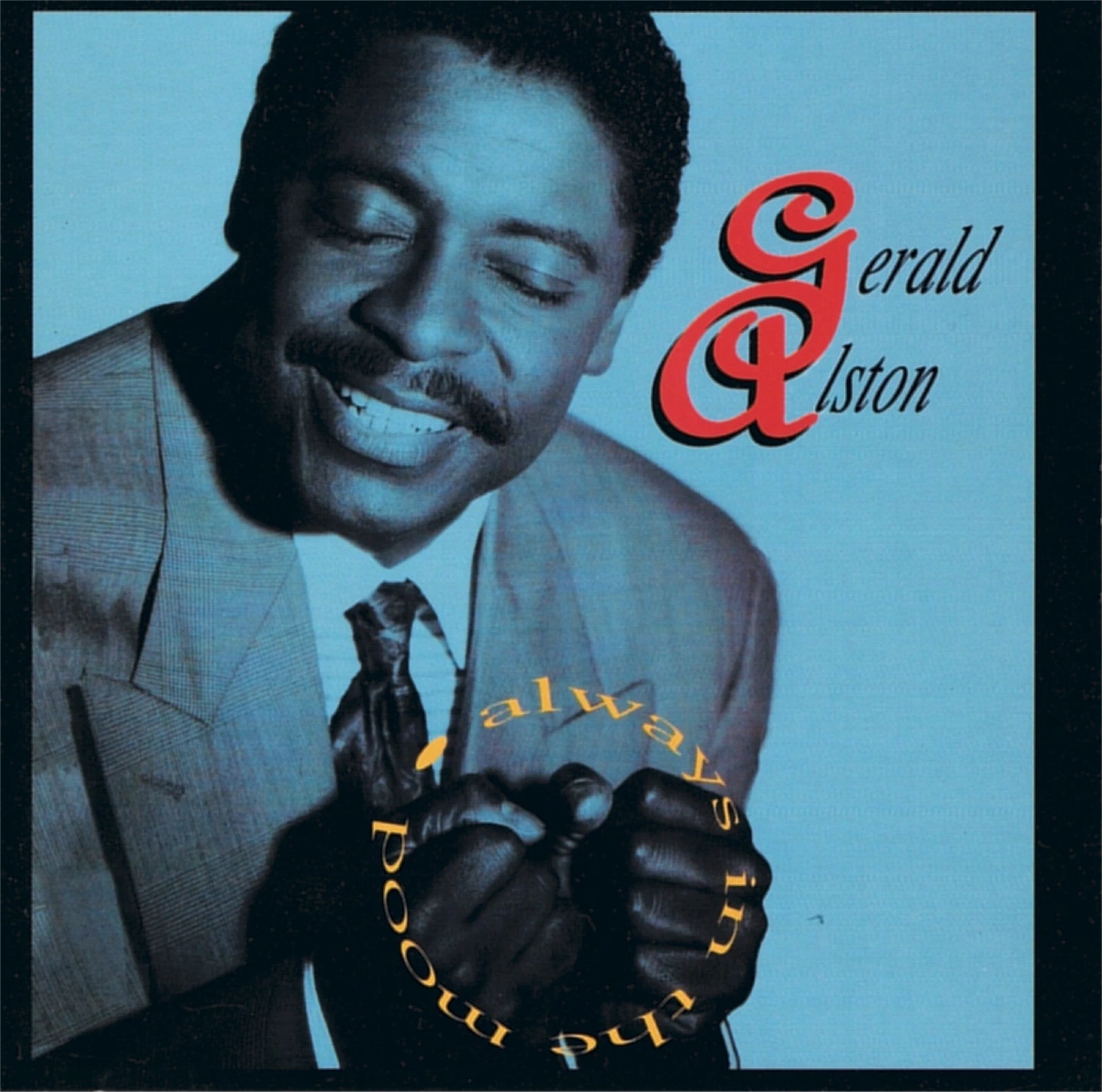
Always In The Mood
Released: 1992
First Class Only
Released: 1994